
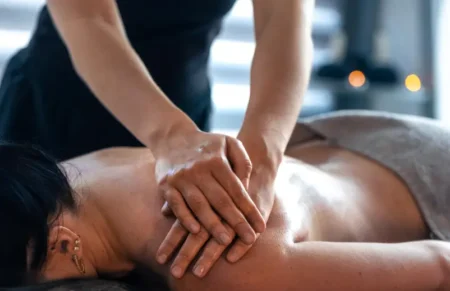
 Most people go to massage only when the pain becomes impossible to ignore. But the body starts asking for help much earlier. It sends quiet signals first. Stiffness in the neck. Heavy shoulders. Shallow breathing. Trouble relaxing even when you finally sit down. These signs aren’t random. They’re messages that tension has stayed too long.
Massage works best when you respond early, not when everything already hurts.
When Tension Becomes Your Default State
If your shoulders are always raised, your jaw clenched, and your neck stiff by the end of the day, that’s not “normal.” It’s accumulated stress. Sitting for long hours, working at screens, driving, emotional pressure — all of it settles into the muscles.
When muscles stay tense for too long, they forget how to relax on their own. That’s when massage becomes necessary. Not as a luxury, but as a reset. It reminds the body what release feels like again.
Headaches That Come Back Again and Again
Recurring headaches often start in the neck and shoulders, even if the pain feels like it’s in your head. Tight muscles restrict blood flow and irritate nerves. You take painkillers, the headache fades, then returns a few days later.
That pattern usually means the source isn’t being addressed. Massage helps when headaches are connected to muscle tension, posture, or stress. If your head hurts more after long days or emotional pressure, that’s often the moment massage makes sense.
Sleep That Doesn’t Feel Restful
You might sleep eight hours and still wake up tired. Your body lies down, but your nervous system doesn’t shut off. Muscles stay guarded. Breathing stays shallow.
Massage helps your system shift out of stress mode. It lowers muscle tension and signals safety to the nervous system. When the body feels safe, sleep gets deeper. If you struggle to relax at night or wake up tense, massage can help break that cycle.
Stress That Lives in the Body
Stress isn’t only a thought. It becomes physical. Tight chest. Heavy back. Restless legs. A feeling that you can’t fully exhale. When emotional stress has no outlet, the body becomes the container for it.
Massage gives that stress a way out. It’s one of the few moments where you’re not performing, fixing, or reacting. You simply receive. When stress starts showing up physically, that’s a clear sign it’s time.
Limited Movement or Stiff Joints
If turning your head feels restricted or your back feels tight after sitting, your muscles are shortening and stiffening. This doesn’t fix itself with rest. In fact, inactivity often makes it worse.
Massage improves circulation and flexibility. It helps muscles soften so joints can move freely again. When your range of motion starts shrinking, that’s your body asking for intervention.
Recovery Feels Slower Than It Used To
After workouts, long walks, or even normal days, you might notice soreness lasting longer than expected. Muscles stay tight. Fatigue lingers. That’s often a sign that circulation and recovery need support.
Massage helps the body clear metabolic waste and bring fresh blood to tired tissues. When recovery slows down, massage helps restore balance.
Emotional Overload Without a Clear Reason
Sometimes the sign isn’t pain at all. It’s irritability. Feeling overwhelmed by small things. Difficulty calming down. Emotional overload often sits in the body before it reaches the mind.
Massage can release stored tension that contributes to emotional pressure. Many people feel lighter emotionally after a session, even if they didn’t realize how much they were holding.
Don’t Wait for Pain to Decide
The best time to go for a massage isn’t when you’re already broken down. It’s when you notice the early signs: tension, stiffness, shallow breathing, restlessness.
Massage works best as prevention, not emergency care. When you listen to your body early, you avoid deeper pain later. And the body responds quickly when it finally feels heard.
Massage isn’t about indulgence.
It’s about maintenance.
And knowing when to go is part of taking yourself seriously.
Picture Credit: Freepik